Sustainability

Caring for Our Environment
Looking after wildlife also means looking after the environment they depend on.
Across Willowbank we've invested in practical initiatives that reduce waste, lower emissions and make better use of natural resources. From solar power and composting, to eliminating single-use plastics and diverting food waste from landfill, every action contributes to a more sustainable future.
Together, these initiatives save an estimated 96 tonnes of carbon emissions each year - the equivalent of planting more than 6,000 trees.

In the Café
From coffee to takeaway food, we're making changes to reduce unnecessary waste.
Our takeaway food packaging is made from paper and cardboard, with wooden cutlery and sugarcane straws.
We prioritise ingredients and confectionery that are palm-oil-free or use sustainable palm oil.
Our coffee is delivered in reusable 4kg tins that are collected, cleaned and refilled by our supplier.
Used coffee grounds are bagged up for customers to take home and use in their gardens.
We've significantly reduced plastic soft drink bottles by switching much of our range to cans.
We prioritise local confectionery suppliers with more sustainable ingredients and packaging.

Retail & Reception
We're making more thoughtful choices about the products and materials we use.
We prioritise local suppliers and products made with sustainability in mind.
All our soft toys are made from recycled materials.
Membership cards are made from 100% biodegradable PVC and reused where possible.
Eel food pottles are made from sugarcane, while farm and bird food packaging uses more sustainable paper materials.
We've removed lamination from our retail signage and use eco-friendly gift wrapping.
Scrap paper is repurposed into notepads, with suitable remaining paper recycled.

Reducing Waste
We're working to keep valuable resources out of landfill and find ways to give materials a second life.
Our partnership with Hungry Worms diverts an average of 500–700kg of food waste from landfill each month. The resulting fertiliser is even sold in our retail shop, helping create a closed-loop approach to sustainability.
Animal waste is composted, green waste is mulched and reused in our gardens where possible, and building materials are reused or recycled.
Our eco-garden also helps us grow native seedlings for planting around the Reserve, as well as food for some of our animals.

Around the Reserve
Sustainability can also be found in the everyday details.
We use toilet paper sourced from certified sustainable forests.
Hand dryers are used instead of paper towels to help minimise waste.
Recycling facilities are available for cans and bottles around the Reserve.
Our café and office recycle a range of materials, including cardboard, paper, bottles and other suitable items.
We're moving towards more digital options, including digital maps, to reduce paper use.

Restoring Native Habitat
What was once farmland has been transformed over decades into a thriving native wildlife reserve.
Today, around 70% of Willowbank is planted in native vegetation, providing habitat for wildlife and supporting biodiversity. Our on-site nursery propagates around 1,300 native plants each year, helping restore habitats both within the Reserve and beyond.
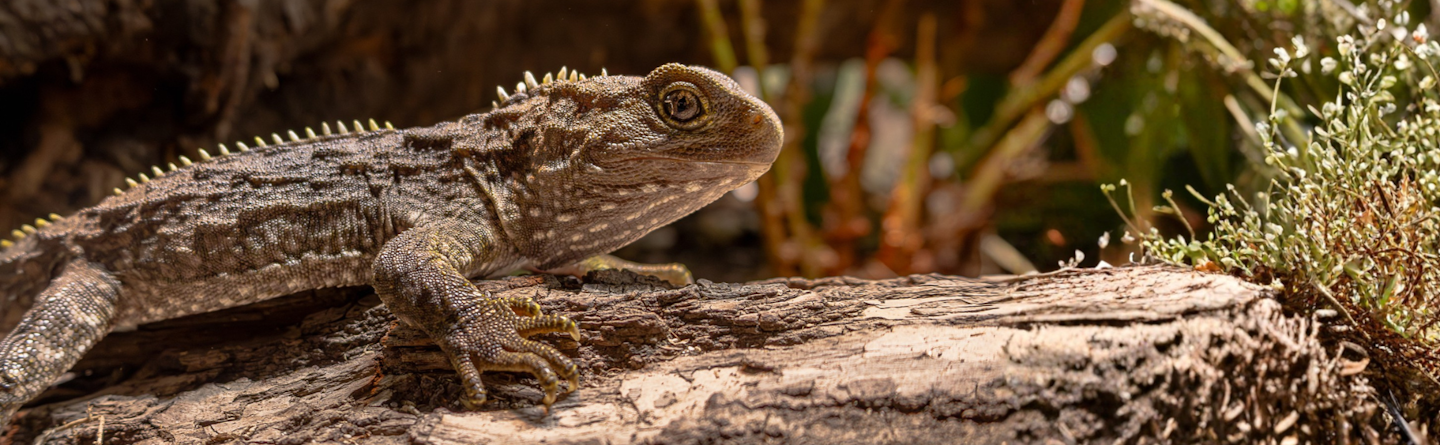
This long-term commitment has even seen wild native lizards naturally establish themselves within the reserve which is an encouraging sign of a healthy ecosystem.

Science, Research & Partnerships
Conservation is built on collaboration.
We work closely with the Department of Conservation, universities, iwi, community organisations and conservation partners to improve wildlife outcomes across New Zealand.
Our work also contributes to internationally recognised research, including groundbreaking studies into Bruce the kea, while our team shares knowledge with conservation organisations through training, internships and wildlife programmes.

Conservation in Action
For more than 28 years, Willowbank has worked alongside conservation partners to help protect some of Aotearoa's most threatened wildlife.
As a long-standing participant in the Department of Conservation's Operation Nest Egg programme, we've helped raise and care for hundreds of kiwi chicks, improving their chances of survival before they're returned to the wild. We're also proud to be the only facility in the world to have successfully incubated all five kiwi species, and to play an important role in breeding and caring for takahē, pāteke and other endangered native wildlife.
Highlights include:
693 kiwi chicks cared for through Operation Nest Egg since 1998
28 years supporting kiwi conservation
The world's only facility to have incubated all five kiwi species
New Zealand's only private organisation licensed to hold and breed takahē

Sustainability by the Numbers
693 kiwi chicks cared for through Operation Nest Egg
28 years supporting kiwi conservation
96.2 tonnes of carbon emissions saved each year
6,003 tree equivalent annual carbon savings
37,000+ single-use cups diverted from landfill
6,200 kg of food waste diverted from landfill through our Hungry Worms partnership
41 native plant species growing across the Reserve
1,300 native plants propagated annually
450 pest animals removed in the last 12 months (2025-2026) to support native wildlife
Sustainability is an ongoing journey, and we're always looking for ways to do better.
As Willowbank continues to grow, so does our commitment to finding meaningful ways to reduce our impact, care for wildlife and protect the environment around us. Looking ahead, we're exploring new initiatives including an eco-garden worm farm to support learning and education, clearer rubbish and recycling areas, and more digital alternatives to paper-based visitor information.
Every step, big or small, is part of our ongoing commitment to creating a more sustainable future for wildlife, our community and generations to come.
Visit Us
We’re open daily from 9.30am to 5pm - rain or shine. The only exception? Christmas Day, when we take a well earned break.
Book Now