
Tuatara

A Prehistoric Survivor
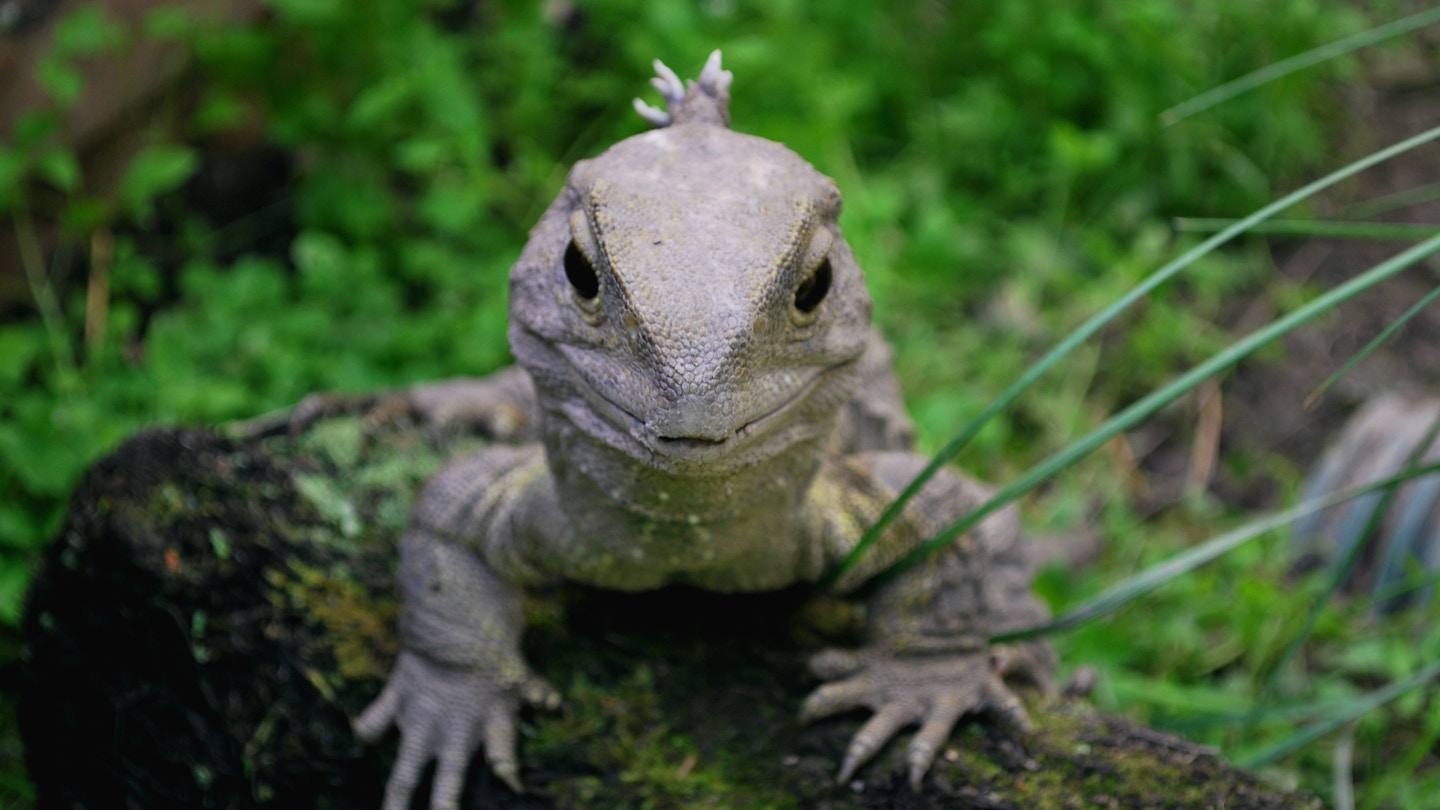
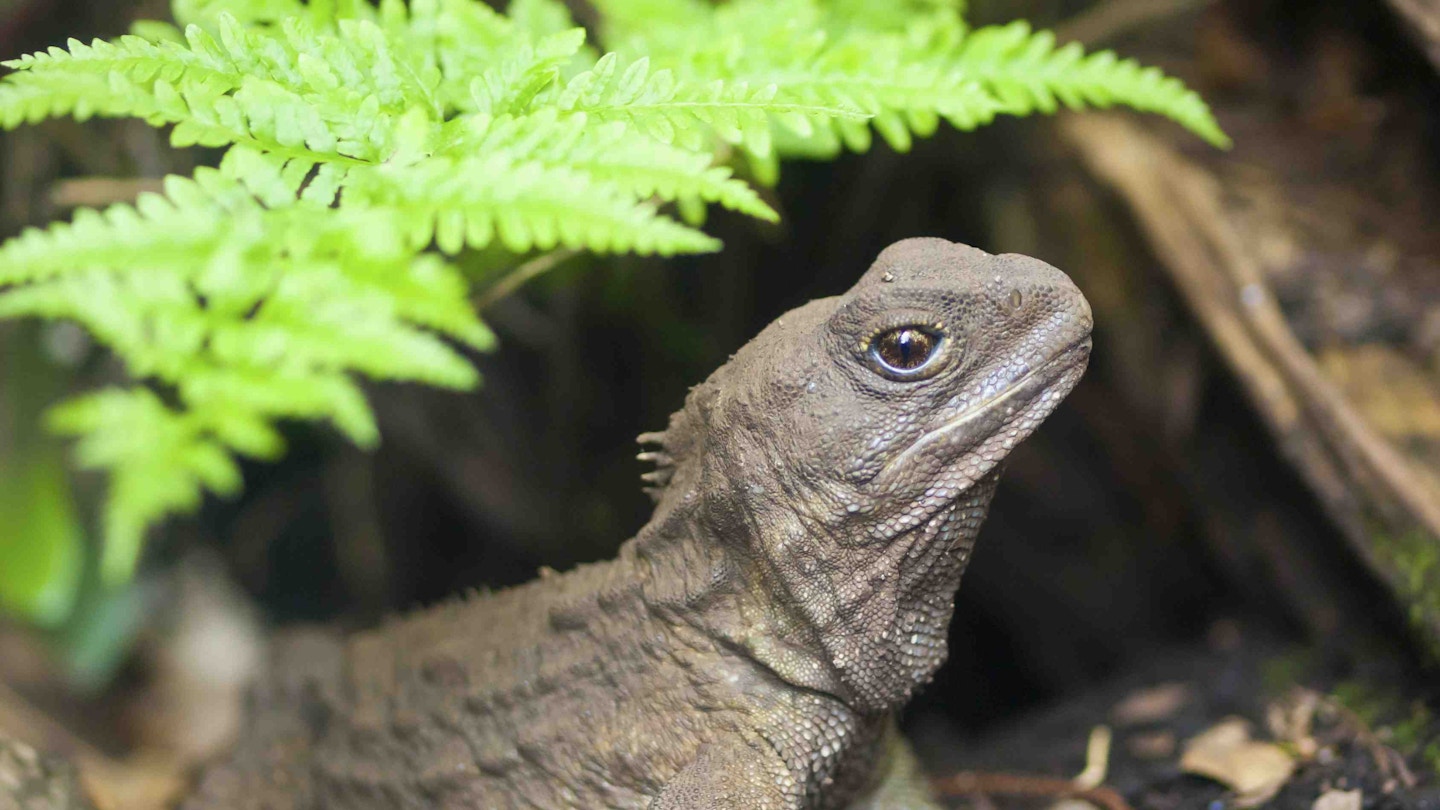
Meet the tuatara, New Zealand’s ancient survivor, with spiky crests, olive-brown scales, and even a tiny “third eye.”
Quiet, mostly nocturnal, and completely unique, they’ve been around since the time of the dinosaurs.
At Willowbank, we’re proud to help protect their future through breeding, care, and conservation.
Tuatara Facts
New Zealand
Tuatara are found only in New Zealand, mostly on predator-free offshore islands. Once widespread on the mainland, they now survive in carefully protected habitats where conservation programs help them grow, breed, and thrive.
Coastal
Tuatara live in coastal forests, scrub, and rocky areas on predator-free islands, sheltering in burrows or under logs and emerging mostly at night to hunt.
Carnivorous
Tuatara are carnivores, feeding mainly on insects, spiders, worms, and small lizards. They hunt mostly at night, striking slowly but accurately.
Nocturnal
Tuatara are mostly nocturnal, active at night while sheltering in burrows or under logs during the day. They move slowly and deliberately, but can strike quickly when hunting.
35-50cm
Adult tuatara typically range from 35–50 cm in length, with males generally larger than females. They usually weigh between 0.5–1.5 kg, making them New Zealand’s largest land reptiles.
60-100 years
Tuatara are incredibly long-lived reptiles, often reaching 60–100 years, with some individuals thought to live even longer in the wild or in managed care.
Vulnerable
Tuatara are classified as Vulnerable. Once widespread across New Zealand, they now survive mostly on predator-free offshore islands and in protected reserves.
Native Area
Come and meet these prehistoric creatures in the reptile section of the natives area.

More animals
Visit Us
We’re open daily from 9.30am to 5pm - rain or shine. The only exception? Christmas Day, when we take a well earned break.
Book Now