
Rowi: Ōkārito Brown Kiwi

Shy Forest Dweller
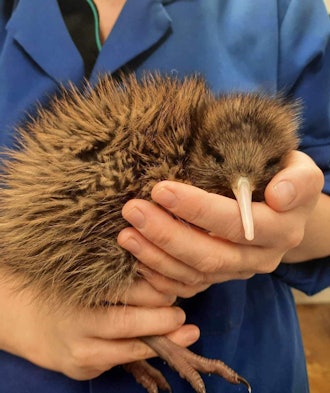
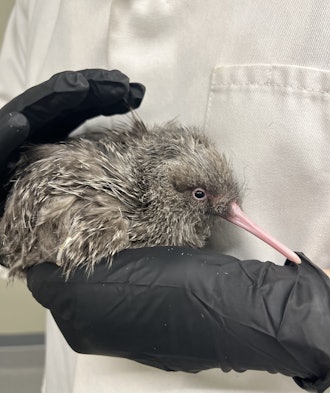
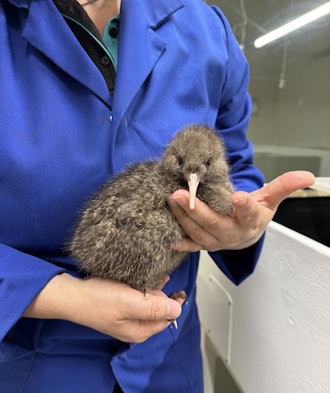
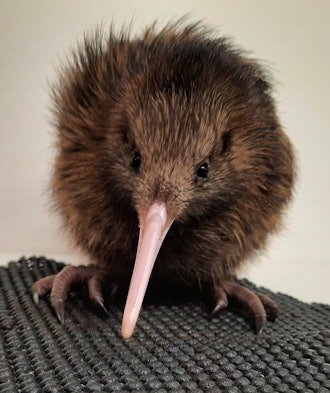
Shy and rarely seen, the rowi kiwi slips quietly through dense forest at night, foraging for insects and helping keep its ecosystem in balance.
One of our most endangered taonga, it relies on dedicated conservation to protect and grow its wild populations.
Rowi facts
Ōkārito
Rowi are found in the Ōkārito forest on the West Coast of the South Island, with carefully managed populations in predator-free sanctuaries supporting recovery.
Dense Forest
They prefer dense native forests and regenerating bush, where thick ground cover provides shelter and protection from predators.
Omnivore
Rowi are omnivores, feeding mainly on earthworms, insects, and other invertebrates, supplemented with occasional berries.
Nocturnal, shy, and territorial.
They are nocturnal, shy, and territorial, often foraging alone or in bonded pairs. Their soft calls help maintain territories and communicate with nearby kiwi.
45-50 cm
Adults measure about 45–50 cm tall and weigh 2.3–3.9 kg, similar in size to the Great Spotted Kiwi.
25-50 years
They can live 25–50 years in the wild when protected from predators.
Critical
Rowi are classified as Nationally Critical. Intensive predator control, egg collection, and hatching programmes have helped stabilize and slowly increase their numbers, making them one of New Zealand’s most carefully managed kiwi species.
Kiwi House
Allow your eyes time to adjust to the low light when visiting our nocturnal kiwi house in the natives area of the Reserve. Photography is not permitted inside the Kiwi Nocturnal House.

More animals
Visit Us
We’re open daily from 9.30am to 5pm - rain or shine. The only exception? Christmas Day, when we take a well earned break.
Book Now